

Feedlot Inventories Hit Eight-Year Low: What Summer 2025 Trends Mean for Cattle Producers

Nathaniel Miller - Ashbrook Technologies
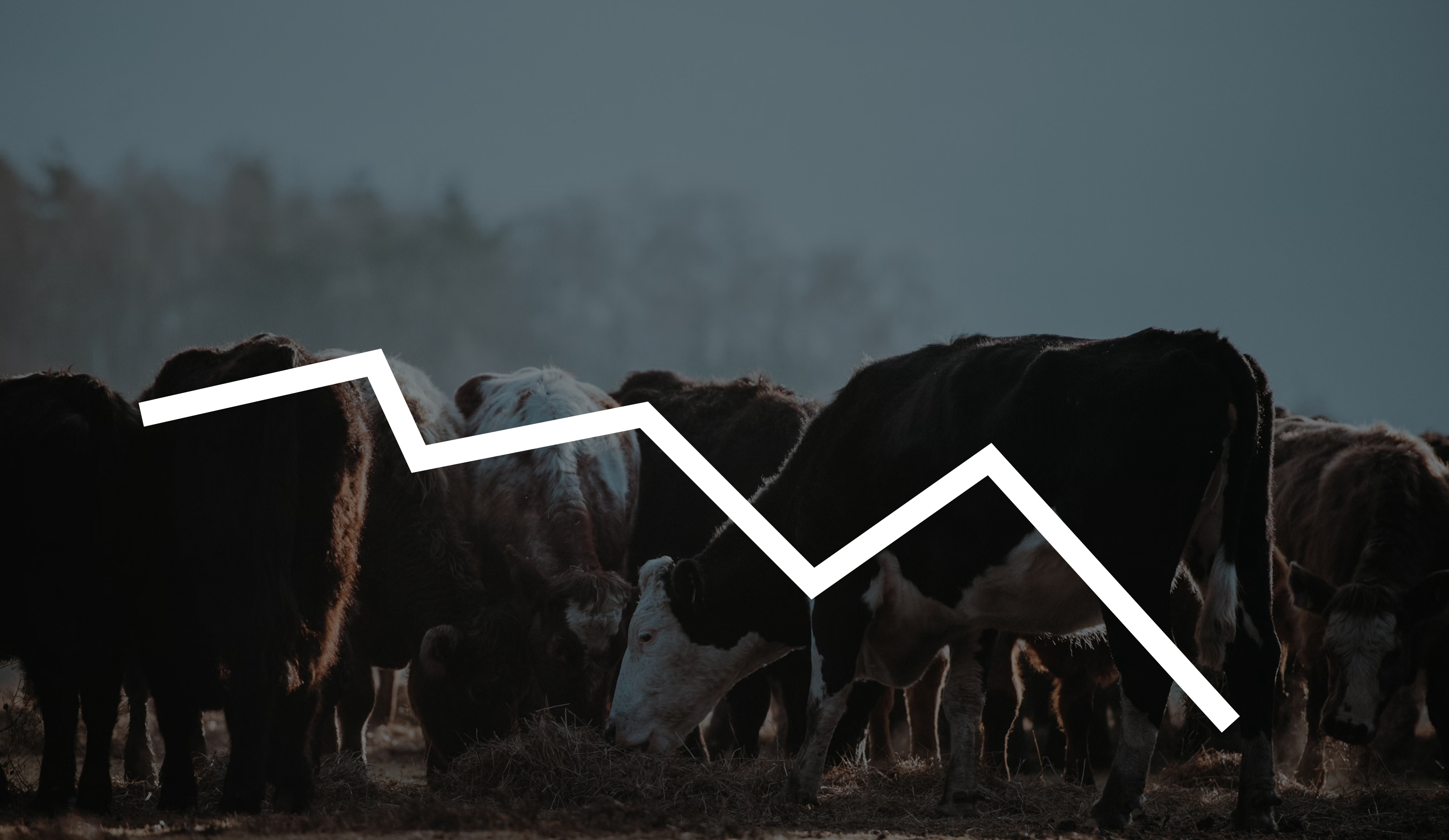
U.S. feedlot inventories dropped to their lowest summer levels since 2017, tightening cattle supplies and driving prices to record highs. While cow-calf producers are benefiting from stronger returns, feedlots face squeezed margins as feeder costs surge, and herd rebuilding remains a slow, multi-year process.
Key Takeaways
- U.S. feedlot inventories fell to their lowest summer levels since 2017, averaging around 11 million head.
- Feeder cattle placements were consistently 6-10% below 2024, reflecting smaller calf crops and reduced imports.
- Marketings in June and August 2025 were the lowest on record since 1996, signaling slower turnover.
- These tight supplies drove fed and feeder cattle prices to historic highs, benefiting cow-calf operators but squeezing feedlot margins.
- Early signs of herd rebuilding emerged as cow culling slowed, but supply recovery will take years.
On-Feed Inventories: The Tightest Since 2017
The summer 2025 feedlot reports confirmed that fed cattle supplies are at their tightest levels in nearly a decade. Monthly inventories in large U.S. feedlots (capacity ≥1,000 head) ranged from 10.9 to 11.4 million head, consistently 1–2% lower than a year earlier. On August 1, the on-feed total stood at 10.92 million, the smallest August figure since October 2017(USDA NASS Cattle on Feed, Aug. 2025). The 12-month moving average has trended downward since 2022, signaling that the contractionary phase of the cattle cycle is still shaping supply.
This tighter inventory reflects the reduced calf crops of recent years and lingering effects of drought-driven herd liquidation. While the pace of decline moderated by September 2025, with inventories just 1% lower year-over-year, the supply base remains historically constrained.
Fewer Placements Reflect Shrinking Feeder Supplies
Placements into feedlots were consistently lighter throughout the summer. Between May and August 2025, monthly placements ranged from 1.44 to 1.89 million head, down 6–10% from the prior year (USDA NASS Cattle on Feed, Sept. 2025). The steepest drop came in August, when placements fell to 1.78 million head, 10% below 2024.
Industry analysts linked these declines to three major factors:
- Fewer Mexican feeder cattle imports, limiting external supply.
- Earlier marketing of lighter calves, as some producers took advantage of record prices.
- A historically small beef cow herd, reducing the available calf crop (RFD-TV, Sept. 2025).
The data also show a modest shift toward lighter-weight placements, with more calves under 600 lbs entering feedlots in June and August. This suggests some producers opted to sell calves earlier rather than background them, a strategy consistent with the high-price environment.
Record-Low Marketings: Slowest Turnover Since 1996
Fed cattle marketings — cattle sold out of feedlots to packers — dropped sharply in summer 2025. Marketings fell 4–14% year-over-year each month, with June and August setting records as the lowest volumes for those months since the data series began in 1996 (USDA NASS Cattle on Feed, July 2025).
- June 2025 marketings: 1.71 million head, 4% below 2024.
- August 2025 marketings: 1.57 million head, 14% below 2024 and an all-time August low.
One reason for slower turnover is that cattle stayed on feed slightly longer. With ample feed supplies and fewer animals in the system, feedlots extended finishing periods, contributing to delayed sales.
Feedlot Turnover and Death Loss Metrics
Beyond inventory and marketing numbers, the reports provide insight into feedlot turnover. "Other disappearance," which includes death loss and non-marketing removals, averaged 50–62 thousand head per month, steady or slightly below 2024 levels (RFD-TV, Sept. 2025). This indicates no unusual spike in summer feedlot mortality, even with multiple heat waves across cattle country.
In fact, the August disappearance of 51,000 head was 6% lower than the prior year, a sign that improved heat mitigation strategies and better forage conditions helped maintain cattle health.
Implications for Cattle Producers
The summer 2025 feedlot data highlight a cattle market environment defined by tight supply, record prices, and early signals of herd rebuilding.
- For cow-calf producers: Reduced placements and historically strong feeder prices improve returns. Oklahoma City feeder steers weighing 750–800 lbs averaged over $340/cwt in early August, more than $70 higher than a year before (USDA ERS Livestock, Dairy, and Poultry Outlook, Aug. 2025).
- For feedlot operators: Higher fed cattle prices are offset by record procurement costs for feeders. Break-even levels have risen, narrowing feeding margins even as the cash market climbs.
- For the broader industry: Fewer cows are being culled, and some heifers are being retained, indicating the first steps toward herd rebuilding. However, recovery will be gradual; supplies will likely remain constrained into 2026.
Conclusion
The summer 2025 cattle on feed reports make one point clear: the U.S. cattle cycle has entered a tight supply phase not seen in nearly a decade. Fewer cattle are being placed in feedlots, marketings have slowed to record lows, and the inventory base remains historically small. For cow-calf producers, these conditions support some of the strongest calf and fed cattle prices on record. For feedlot operators, however, the smaller feeder supply and elevated procurement costs continue to squeeze margins despite higher fed cattle values.
Looking ahead, improved forage conditions and reduced cow culling suggest that herd rebuilding may already be underway, but it will take years before supplies loosen materially. Until then, cattle markets will remain supply-driven, with volatility that demands active risk management.
Takeaway for producers: Plan for elevated cattle prices into 2026, but also expect continued competition for feeder supplies and potential shifts in feedlot profitability. In this environment, sound marketing strategies and insurance tools like Livestock Risk Protection (LRP) can help stabilize returns.
Frequently Asked Questions